English
 繁体中文
繁体中文 Deutsch

Advanced Anti-Corrosion Coatings for Ductile Iron Pipes: Epoxy Ceramic vs. Polyurethane
Ductile iron pipes are renowned for their mechanical strength, but their longevity in aggressive environments depends heavily on surface protection. Corrosion can compromise water quality and drastically reduce pipeline lifespan. To combat this, advanced inner linings and outer coatings are applied. This article provides a deep dive into two of the most effective anti-corrosion solutions in modern pipeline engineering: Epoxy Ceramic coatings and Polyurethane coatings.
The Critical Importance of Corrosion Resistance
Pipelines installed in municipal water supply, industrial wastewater treatment, and drainage systems encounter highly corrosive environments. Internally, the chemical composition of the conveyed fluid can wear down bare metal. Externally, corrosive soils, stray electrical currents, and moisture pose constant threats. Advanced technical coatings act as an impenetrable barrier, protecting the pipe core and ensuring a service life exceeding 50 years.
Epoxy Ceramic Coated Pipes: Features and Applications
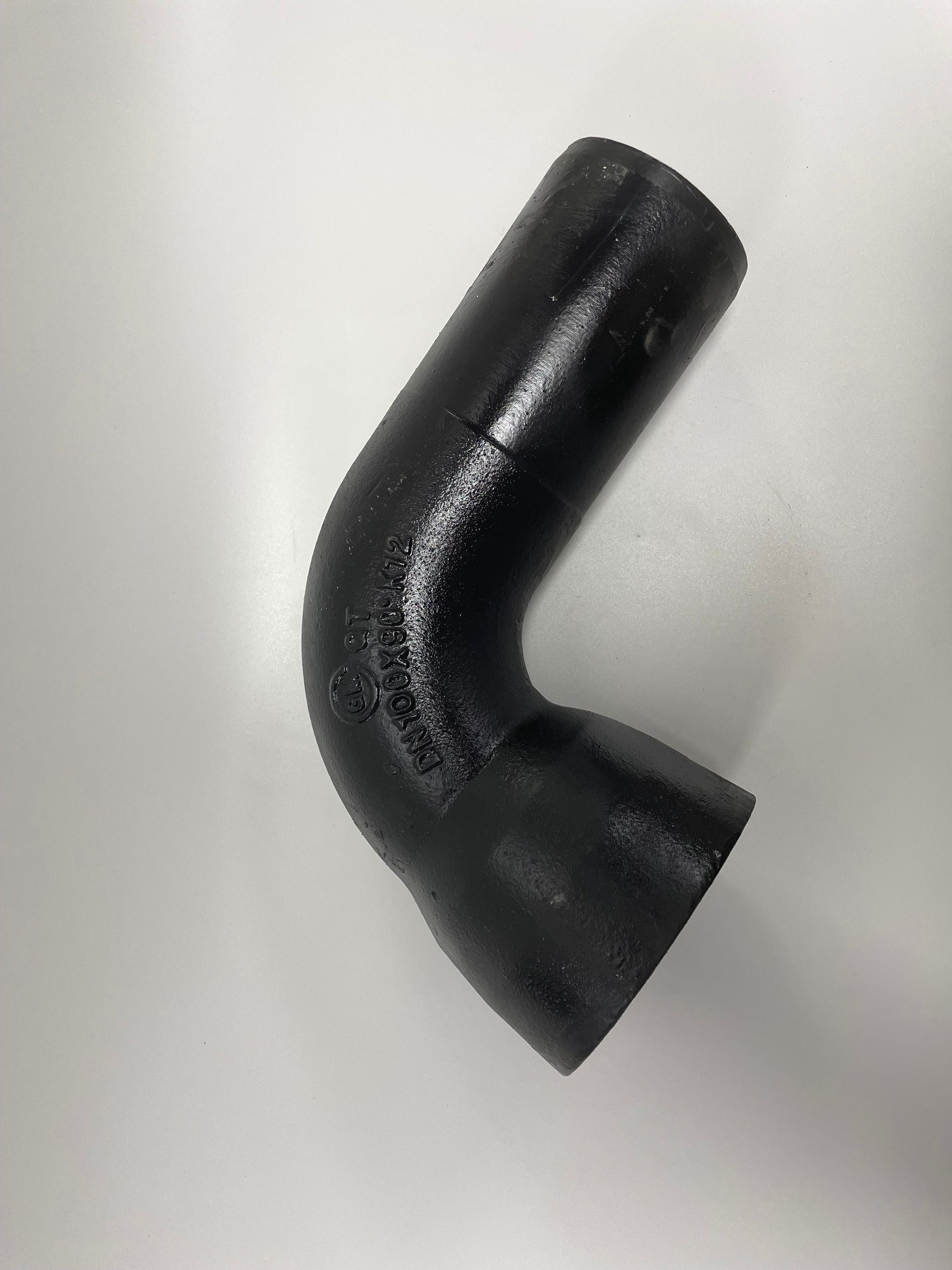
Epoxy ceramic is a high-performance lining material typically composed of a solvent-free epoxy resin base heavily reinforced with ceramic particles. This combination yields an exceptionally tough, smooth interior surface.
Superior Wear and Chemical Resistance
The integration of ceramic aggregates gives this coating incredible resistance to mechanical abrasion. It is highly resistant to a broad pH spectrum, making it impervious to the aggressive chemicals found in municipal sewage, industrial effluents, and soft water that aggressively leaches minerals.
Optimized Hydraulic Efficiency
The glass-like, ultra-smooth interior surface of epoxy ceramic linings minimizes friction losses. This low roughness coefficient reduces hydraulic resistance, meaning municipal pumping systems require less energy to move fluids, leading to significant operational cost savings over time.
Polyurethane Coated Pipes: Features and Applications
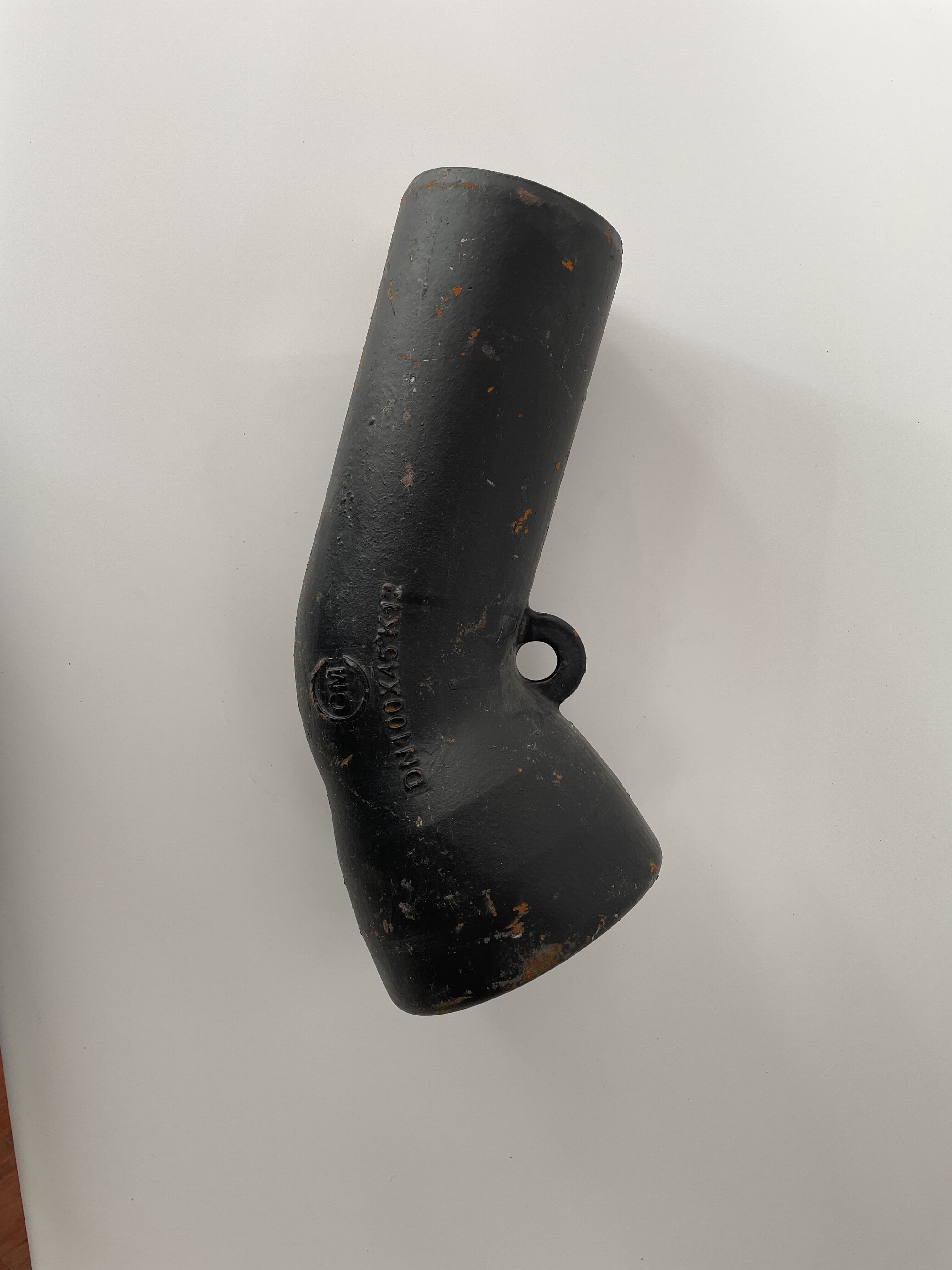
Polyurethane (PU) represents another major milestone in advanced anti-corrosion technology. It is widely used both as an internal lining for highly pure water transmission and as an external coating for challenging soil environments.
Excellent Flexibility and Crack Resistance
Unlike stiffer coating materials, polyurethane possesses high elasticity and flexibility. This allows the coating to deform slightly along with the ductile iron pipe when subjected to structural shifting, soil settling, or extreme impact, preventing micro-cracking and subsequent localized corrosion.
Outstanding Adhesion and Impermeability
Polyurethane forms a seamless, cross-linked molecular bond directly with the iron surface. It features near-zero water permeability, ensuring that moisture and oxygen cannot penetrate to initiate the oxidation process, making it an excellent choice for subsea pipelines or high-salinity marshland installations.
Comparative Analysis: Choosing the Right Protection
While both coatings offer premium protection, their selection depends entirely on the specific engineering requirements of the project.
When to Specify Epoxy Ceramic
Epoxy ceramic is the premier choice for gravity sewers, force mains, and industrial pipeline networks where high solid particle content or aggressive wastewater chemical profiles are expected. Its supreme hardness prevents erosion from sand, silt, and chemical bioproducts.
When to Specify Polyurethane
Polyurethane is ideally suited for long-distance, high-pressure clean water transmission pipelines and projects located in unstable geological zones or highly corrosive coastal soils. Its elasticity guarantees that the protective barrier remains intact even under heavy external mechanical stress.