English
 繁体中文
繁体中文 简体中文
简体中文

Selecting the Right Ductile Iron Pipe: A Comprehensive Guide to Sizes (DN80-DN2600) and Joint Types
Designing an efficient and reliable pipeline network requires meticulous planning, particularly when selecting pipe dimensions and connection methods. Ductile iron pipelines serve a massive range of functions, from small municipal distribution lines to massive cross-regional water transfer trunks. This comprehensive guide outlines how to select the appropriate nominal diameter (DN) and choose the correct joint configurations for your engineering needs.
Navigating the Dimensional Spectrum: From DN80 to DN2600
Ductile iron pipes are categorized by their Nominal Diameter (DN), which represents the internal diameter in millimeters. The scale of the project dictates the appropriate sizing tier.
Small to Medium Diameters (DN80 – DN300)
These sizes are primarily utilized in localized urban water supply networks, residential distribution grids, and building fire protection systems. They offer easy handling and quick installation, while providing ample flow capacity for community infrastructure.
Medium to Large Diameters (DN350 – DN1000)
Pipes in this range form the backbone of secondary municipal distribution systems, primary urban drainage networks, and large-scale industrial industrial piping loops. They are engineered to handle elevated continuous flow velocities and substantial internal working pressures.
Ultra-Large Diameters (DN1200 – DN2600)
These massive conduits are reserved for major water conservancy projects, trunk raw-water transmission lines, and massive regional flood mitigation systems. Manufacturing pipes of this scale requires highly advanced centrifugal casting automation and strict structural testing to manage immense volume and pressure.
Understanding Pipeline Connection Systems: Socket and Flanged Joints
The joint system of a pipeline determines its flexibility, pressure rating, and ease of installation. Choosing the wrong connection type can lead to operational failures or severe installation delays.
Socket-and-Spigot Joints (Push-On / Tyton Type)
Socket joints are the most widely used connection method for buried pipelines. The spigot end of one pipe is pushed directly into the socket end of the adjoining pipe, compressing a flexible elastomeric rubber gasket to create a tight seal.
Flexibility and Angular Deflection: Socket joints allow for minor axial movement and angular deflection. This inherent flexibility enables the pipeline to adapt naturally to curved pathways and geological ground settlement without breaking or leaking.
Fast Installation: Requiring no specialized welding or complex tooling, push-on socket joints dramatically accelerate pipeline laying speeds in underground trenches.
Flanged Joints
Flanged connections involve two pipe ends equipped with raised flat rims (flanges) bolted securely together with a flat gasket placed between them. This creates a completely rigid, unyielding connection.
Above-Ground and Exposed Piping: Because they lack flexibility, flanged joints are ideal for above-ground installations, pump stations, valve chambers, and industrial treatment plants where mechanical rigidity and fixed structural anchoring are mandatory.
Easy Disassembly: Bolted flanged pipes can be easily unbolted and removed, making them perfect for sections of the pipeline network that require routine maintenance, inspection, or valve replacements.
Customized Engineering Solutions and Layout Support
Every engineering project presents unique geographic and operational challenges. A one-size-fits-all approach rarely suffices, meaning customized support is vital for optimal network design.
Custom Fabricated Fittings
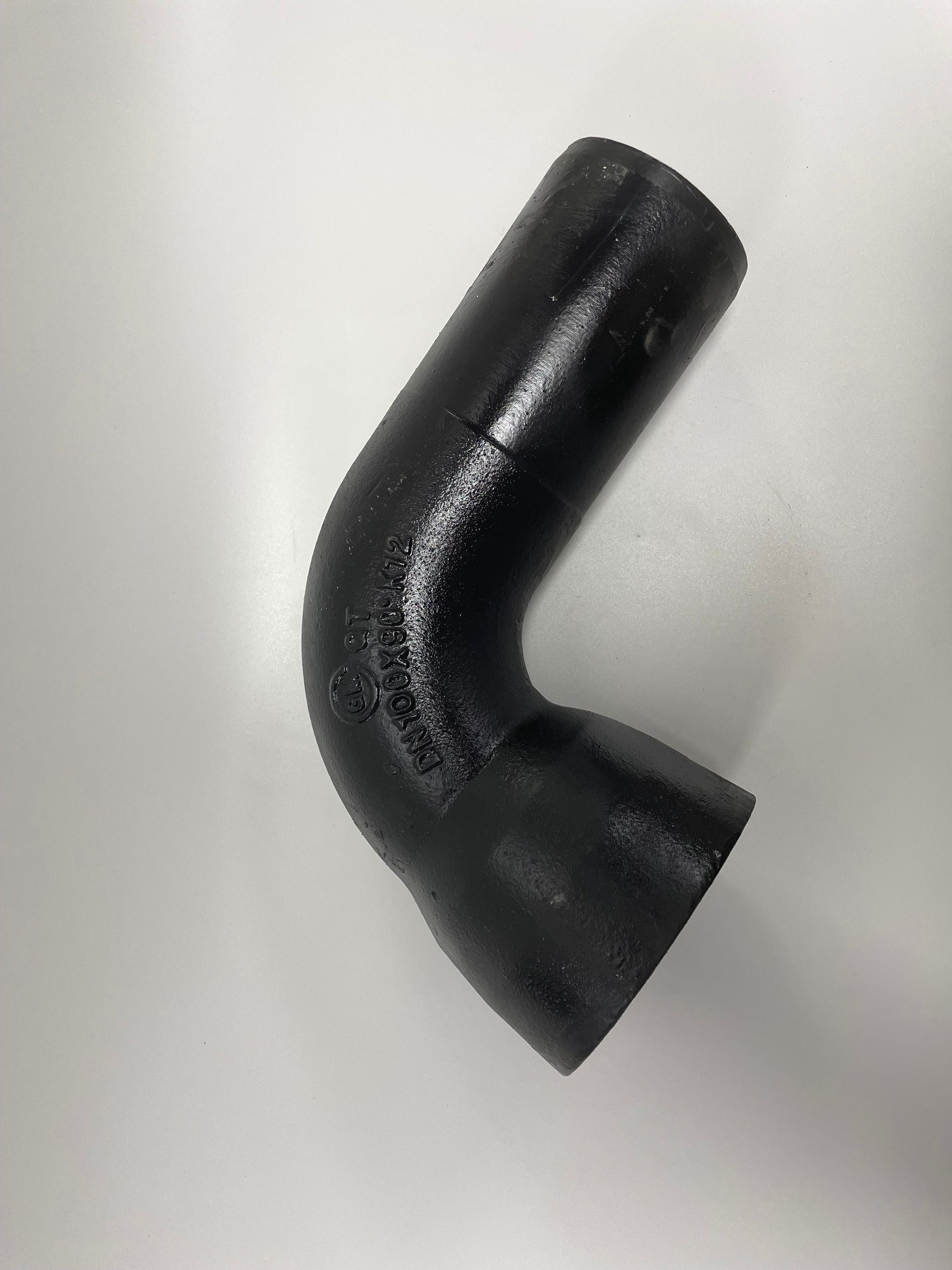
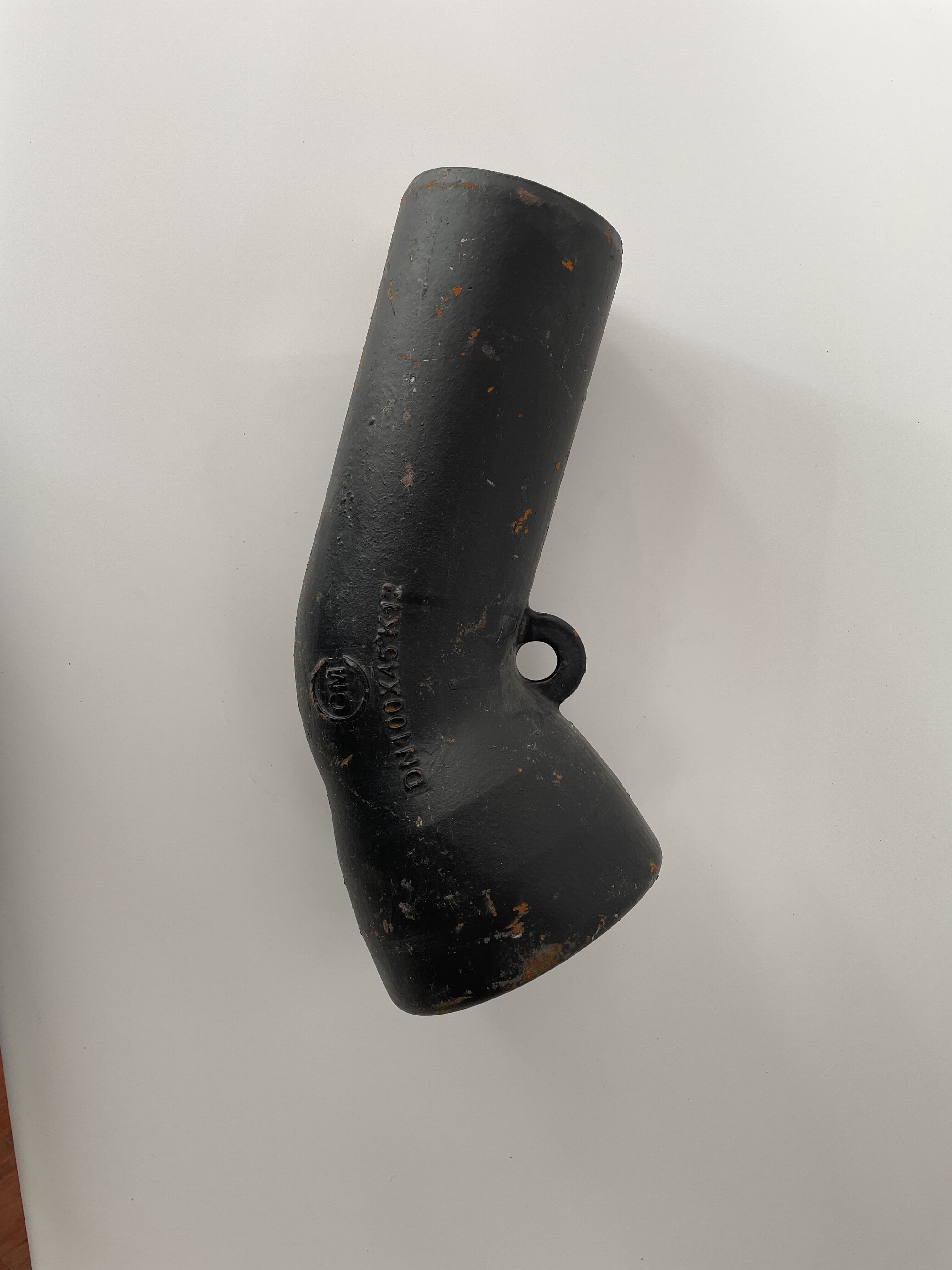
Complex pipeline routes require precise directional changes, junctions, and diameter transitions. Utilizing custom-designed ductile iron fittings—such as specific bends, tees, and reducers—ensures that the system maintains structural continuity and optimal fluid dynamics without introducing weak points.
Full-Cycle Technical Consultation
Engaging with a professional manufacturer that provides comprehensive technical consultation, custom anti-corrosion coatings, and professional installation guidance ensures that your pipeline system is tailored precisely to soil conditions, water chemistry, and pressure specifications, maximizing the long-term return on your infrastructure investment.