2026-06-02

Understanding Ductile Iron Pipes: Manufacturing, Standards, and Municipal Water Systems

Understanding Ductile Iron Pipes: Manufacturing, Standards, and Municipal Water Systems

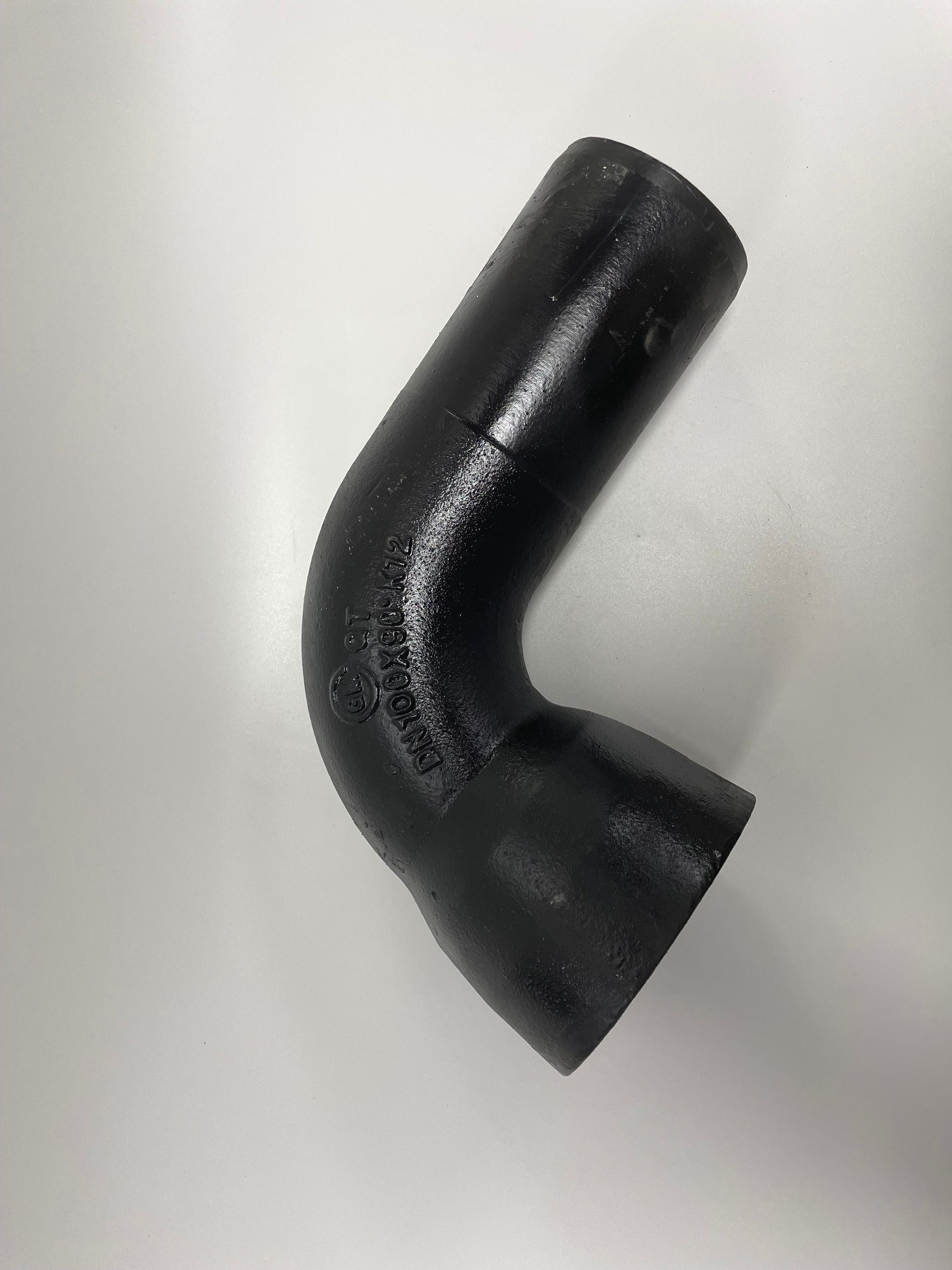
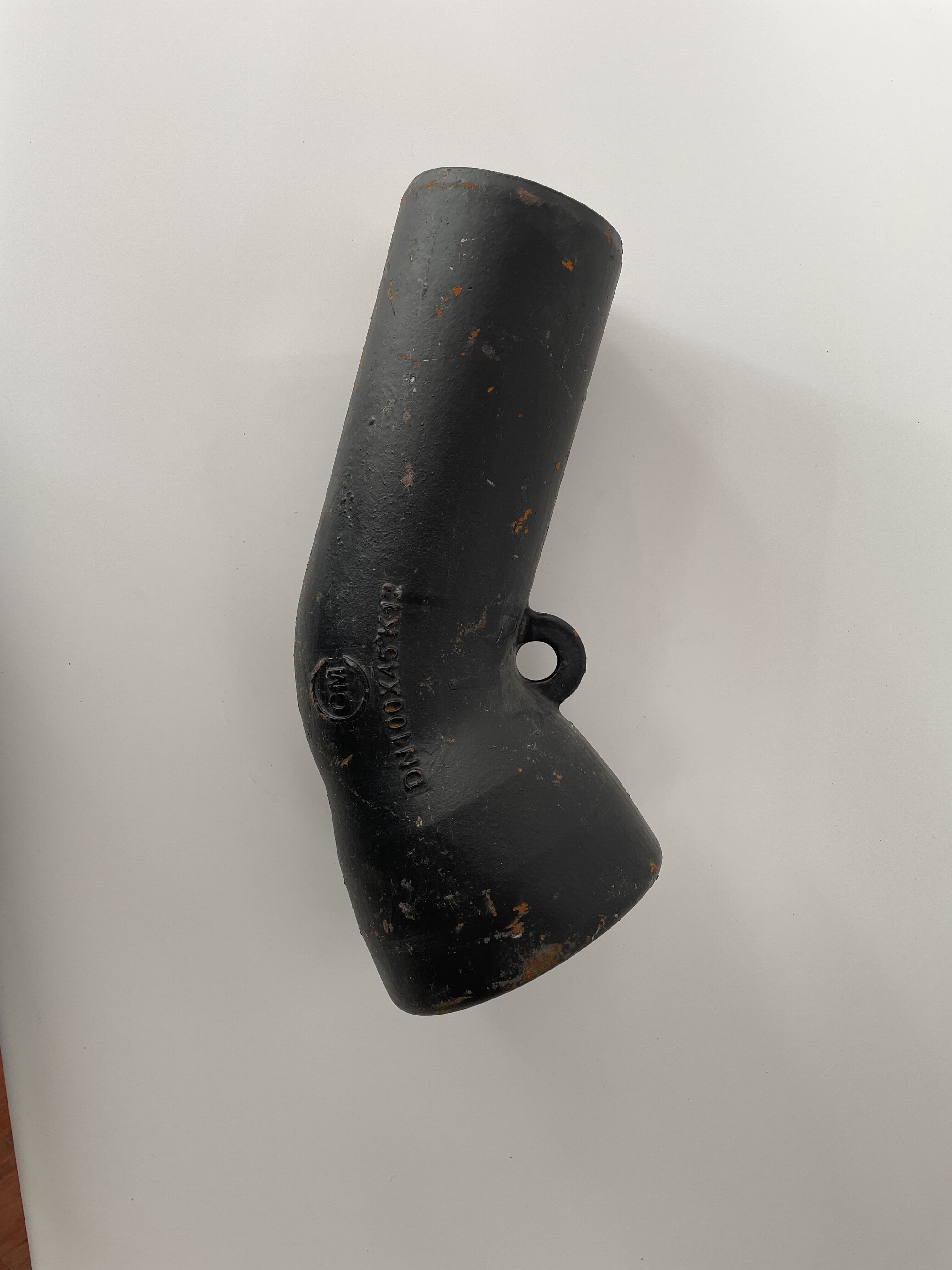
In modern infrastructure, the reliability of water distribution and drainage networks is non-negotiable. Among the various materials used for large-scale piping, ductile iron has emerged as the industry standard. This blog post explores how high-performance ductile iron pipes are manufactured, the critical regulatory standards they must meet, and why they are the preferred choice for municipal water conservancy projects.

What is Ductile Iron and How is it Produced?

Ductile iron, also known as nodular cast iron, differs significantly from traditional gray iron. While gray iron is brittle due to its flake-like graphite microstructure, ductile iron features spherical or nodular graphite. This structural transformation is achieved by adding magnesium to high-purity molten pig iron, giving the material exceptional flexibility, high tensile strength, and superior impact resistance.

The Centrifugal Casting Technology

At advanced manufacturing facilities, ductile iron pipes are produced using internationally cutting-edge centrifugal casting technology. In this automated process, molten iron is poured into a rapidly spinning mold. The centrifugal force distributes the liquid metal evenly against the mold wall, creating a highly dense, uniform, and defect-free pipe wall structure that maximizes pressure resistance and durability.

The Role of High-Purity Pig Iron

Quality control begins at the very start of production. Utilizing high-purity pig iron ensures that detrimental trace elements are kept to an absolute minimum. This pure baseline material allows for precise metallurgic consistency, which is vital for maintaining the pipe's long-term mechanical integrity under heavy structural or subterranean loads.

Compliance with Domestic and International Standards

To guarantee safety and compatibility in global infrastructure engineering, ductile iron pipes must comply with rigorous quality frameworks. These standards govern dimensions, mechanical properties, and testing protocols.

ISO 2531: The Global Benchmark

ISO 2531 is the international standard covering ductile iron pipes, fittings, accessories, and their joints for water applications. Compliance ensures that the pipes can withstand specific internal hydrostatic pressures and external soil pressures, enabling seamless integration across global water supply systems.

EN 545: The European Standard for Water Pipelines

EN 545 specifies the requirements and test methods applicable to ductile iron pipes and fittings used for constructing pipelines to convey water for human consumption or raw water processing. It places heavy emphasis on structural margins of safety and strict leaktightness guidelines.

GB/T 13295: The Chinese National Framework

For domestic projects, GB/T 13295 defines the stringent technical requirements for ductile iron pipes and fittings used for water and gas applications. It guarantees that infrastructure components meet localized geological, environmental, and engineering demands.

Why Ductile Iron is Essential for Municipal Infrastructure

Municipal water networks demand piping materials that can last for decades without failure. Ductile iron provides a unique combination of strength, longevity, and sustainability that alternative materials cannot match.

High Pressure and Seismic Resistance

Due to its high tensile strength and elongation characteristics, ductile iron pipes can easily absorb sudden pressure surges (water hammer) and withstand seismic activity or ground shifting. This makes them ideal for both high-pressure municipal water supply and critical drainage lines.

Strict Quality Testing Protocols

Modern production lines implement strict quality checks throughout the entire manufacturing process. Using advanced equipment like spectrometers for chemical analysis and specialized hydrostatic testing machines, every single pipe undergoes rigorous airtightness and pressure testing to eliminate any possibility of leaks or structural failure before deployment.
Whatsapp

Skype

VK

發送詢盤

We use cookie to improve your online experience. By continuing to browse this website, you agree to our use of cookie.

Cookies

Please read our Terms and Conditions and this Policy before accessing or using our Services. If you cannot agree with this Policy or the Terms and Conditions, please do not access or use our Services. If you are located in a jurisdiction outside the European Economic Area, by using our Services, you accept the Terms and Conditions and accept our privacy practices described in this Policy.
We may modify this Policy at any time, without prior notice, and changes may apply to any Personal Information we already hold about you, as well as any new Personal Information collected after the Policy is modified. If we make changes, we will notify you by revising the date at the top of this Policy. We will provide you with advanced notice if we make any material changes to how we collect, use or disclose your Personal Information that impact your rights under this Policy. If you are located in a jurisdiction other than the European Economic Area, the United Kingdom or Switzerland (collectively “European Countries”), your continued access or use of our Services after receiving the notice of changes, constitutes your acknowledgement that you accept the updated Policy. In addition, we may provide you with real time disclosures or additional information about the Personal Information handling practices of specific parts of our Services. Such notices may supplement this Policy or provide you with additional choices about how we process your Personal Information.


Cookies

Cookies are small text files stored on your device when you access most Websites on the internet or open certain emails. Among other things, Cookies allow a Website to recognize your device and remember if you've been to the Website before. Examples of information collected by Cookies include your browser type and the address of the Website from which you arrived at our Website as well as IP address and clickstream behavior (that is the pages you view and the links you click).We use the term cookie to refer to Cookies and technologies that perform a similar function to Cookies (e.g., tags, pixels, web beacons, etc.). Cookies can be read by the originating Website on each subsequent visit and by any other Website that recognizes the cookie. The Website uses Cookies in order to make the Website easier to use, to support a better user experience, including the provision of information and functionality to you, as well as to provide us with information about how the Website is used so that we can make sure it is as up to date, relevant, and error free as we can. Cookies on the Website We use Cookies to personalize your experience when you visit the Site, uniquely identify your computer for security purposes, and enable us and our third-party service providers to serve ads on our behalf across the internet.

We classify Cookies in the following categories:
 ●  Strictly Necessary Cookies
 ●  Performance Cookies
 ●  Functional Cookies
 ●  Targeting Cookies


Cookie List
A cookie is a small piece of data (text file) that a website – when visited by a user – asks your browser to store on your device in order to remember information about you, such as your language preference or login information. Those cookies are set by us and called first-party cookies. We also use third-party cookies – which are cookies from a domain different than the domain of the website you are visiting – for our advertising and marketing efforts. More specifically, we use cookies and other tracking technologies for the following purposes:

Strictly Necessary Cookies
These cookies are necessary for the website to function and cannot be switched off in our systems. They are usually only set in response to actions made by you which amount to a request for services, such as setting your privacy preferences, logging in or filling in forms. You can set your browser to block or alert you about these cookies, but some parts of the site will not then work. These cookies do not store any personally identifiable information.

Functional Cookies
These cookies enable the website to provide enhanced functionality and personalisation. They may be set by us or by third party providers whose services we have added to our pages. If you do not allow these cookies then some or all of these services may not function properly.

Performance Cookies
These cookies allow us to count visits and traffic sources so we can measure and improve the performance of our site. They help us to know which pages are the most and least popular and see how visitors move around the site. All information these cookies collect is aggregated and therefore anonymous. If you do not allow these cookies we will not know when you have visited our site, and will not be able to monitor its performance.

Targeting Cookies
These cookies may be set through our site by our advertising partners. They may be used by those companies to build a profile of your interests and show you relevant adverts on other sites. They do not store directly personal information, but are based on uniquely identifying your browser and internet device. If you do not allow these cookies, you will experience less targeted advertising.

How To Turn Off Cookies
You can choose to restrict or block Cookies through your browser settings at any time. Please note that certain Cookies may be set as soon as you visit the Website, but you can remove them using your browser settings. However, please be aware that restricting or blocking Cookies set on the Website may impact the functionality or performance of the Website or prevent you from using certain services provided through the Website. It will also affect our ability to update the Website to cater for user preferences and improve performance. Cookies within Mobile Applications

We only use Strictly Necessary Cookies on our mobile applications. These Cookies are critical to the functionality of our applications, so if you block or delete these Cookies you may not be able to use the application. These Cookies are not shared with any other application on your mobile device. We never use the Cookies from the mobile application to store personal information about you.

If you have questions or concerns regarding any information in this Privacy Policy, please contact us by email at . You can also contact us via our customer service at our Site.